Drug Resistant Cancers
LIDE maintains one of the largest global collections of drug-resistant patient-derived xenograft (PDX) models, developed from tumors that acquired resistance naturally in patients and ethically sourced through our translational hospital network. Each resistant model is validated post-engraftment to ensure fidelity of resistance phenotype and molecular profile.
Features of LIDE’s drug resistant models:
- 370+ drug-resistant PDX models available across solid and hematologic malignancies
- Resistance profiles include antibody–drug conjugates (e.g., Enhertu®), EGFR inhibitors (e.g., Osimertinib), BTK inhibitors, checkpoint inhibitors, chemotherapy, and targeted agents
- Matching conditionally reprogrammed (CR) cell lines are available for many resistant tumors, preserving the original heterogeneity of the patient sample for seamless translation from in vitro to in vivo
| Cancer Type | Drug Resistance | Representative Genetic Alterations |
|---|---|---|
| NSCLC | Erlotinib, Osimertinib, Crizotinib, Brigatinib, anti–PD-1 | EGFR exon19del/T790M/L858R, ALK L1196M, ROS1, KRAS G12C |
| Breast Cancer | CDK4/6 inhibitors | TNBC, ER⁺ |
| Multiple Myeloma | Bortezomib | CD47⁺, CD38⁺ |
| Colorectal Cancer | Avastin | KRAS G12C, BRAF V600E |
| Gastric Cancer | Trastuzumab | HER2 amplification, KRAS G12C/G13D |
| Cholangiocarcinoma | Paclitaxel | KRAS G12C, FGFR alterations |
| Hematological Malignancies | Rituximab, Imatinib, BTK inhibitors | CD20, BCR-ABL1 |
| Melanoma | anti–PD-1 antibody | BRAF V600E |
| Ovarian Cancer | Platinum, PARPi | HRD, BRCA mutations |
Example Models
Matced PDX and CR line with 19del/T790M/C797S mutation showed matching drug resistance.
LD1-0025-200717
EGFR 19del/T790M/C797S
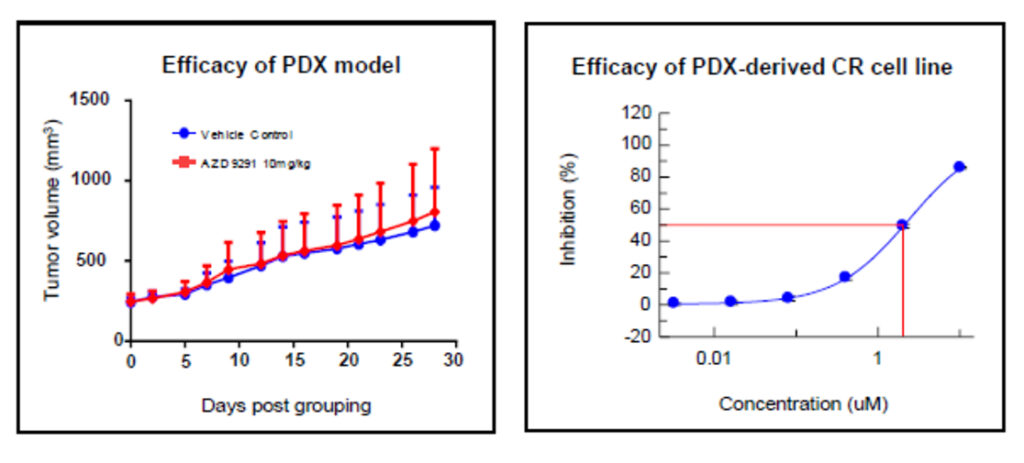
Fig. Efficacy results of LD1-0025-200717. IC50 of CR cell line was 2.01, indicating drug insensitivity, as expected and matching result of PDX model
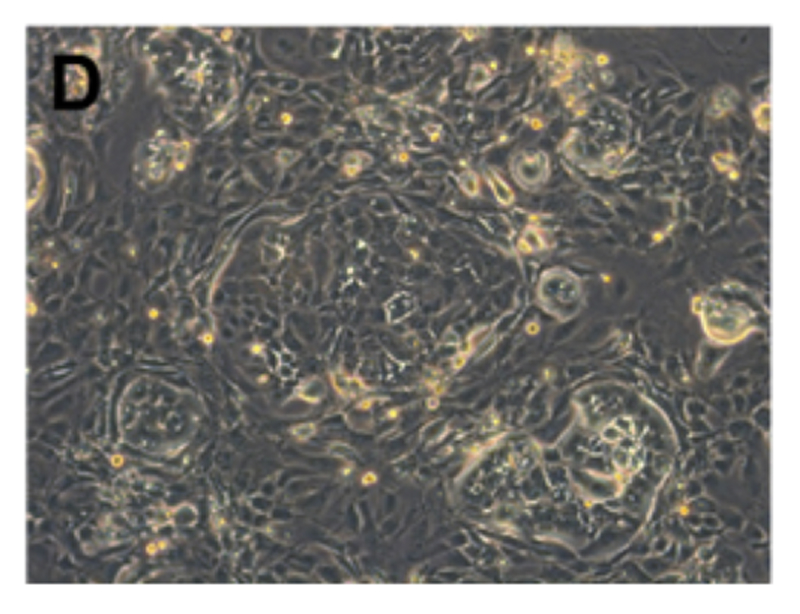
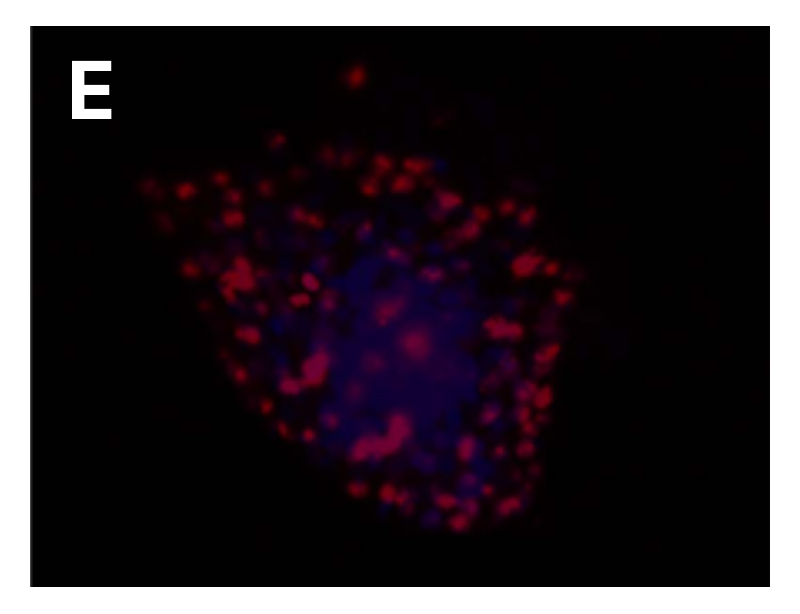
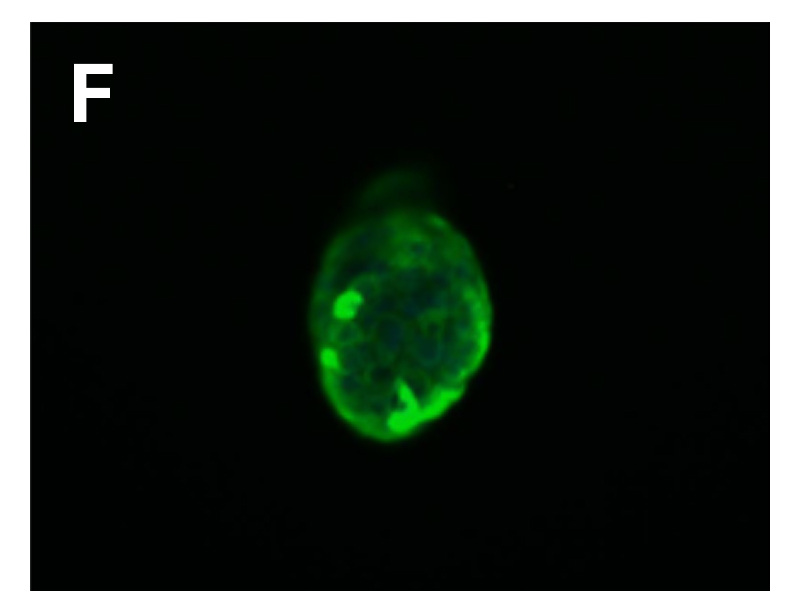
Fig. Morphology of EGFR 19del/T790M /C797S PDX derived cell line (D); Ki67 (E) and Pan-CK (F) staining of 19del/T790M /C797S PDX matching cell derived tumor sphere.
Leverage LIDE’s drug resistant PDX for your next oncology research project:
- Ex vivo screens
- In vivo efficacy studies
- 3D in-vivo studies using MiniPDX
- Immunotherapy evaluation on huPBMC reconstituted models